Older than the course
The broader Tampa Bay region was shaped by Indigenous communities long before Palm Harbor, Sutherland, roads, subdivisions, or golf courses appeared.
The land around Tarpon Woods sits inside a much older Palm Harbor story: Indigenous Tampa Bay history, the Sutherland settlement era, Florida's postwar growth, and a 1970s golf course community shaped by Ann and Lloyd Ferrentino.
Preservation is not only about grass, fairways, and drainage. It is about the continuity of a neighborhood landscape that has held community value across generations.
The broader Tampa Bay region was shaped by Indigenous communities long before Palm Harbor, Sutherland, roads, subdivisions, or golf courses appeared.
Tarpon Woods became part of the East Lake and Palm Harbor growth story during the 1970s, when open-space communities helped define the area's identity.
This page can grow with resident photographs, deeds, newspaper clippings, course memories, wildlife records, and neighborhood stories.
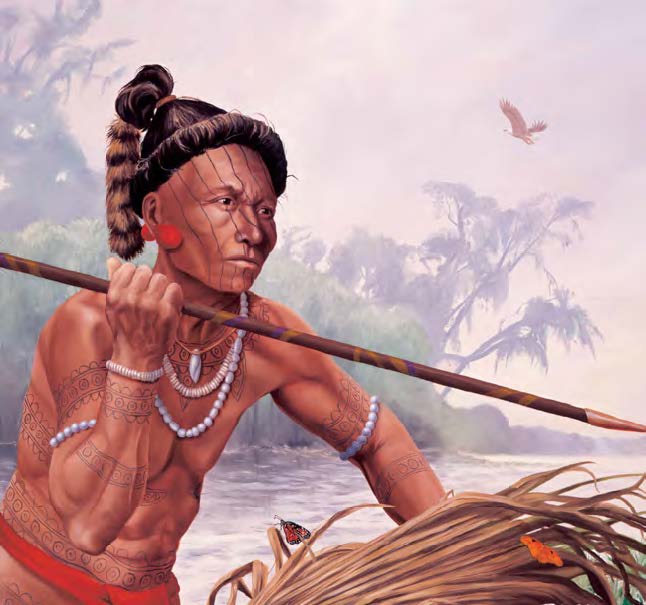
Pinellas County identifies the Tocobaga Temple Mound in Safety Harbor as the largest remaining mound in the Tampa Bay region and notes that the site represents the Safety Harbor Period. The same estuarine world of bays, creeks, wetlands, and uplands shaped the wider peninsula where Palm Harbor later grew.
This history deserves respect. The preservation argument for Tarpon Woods should avoid treating land as empty just because it later became private property. The landscape had ecological and cultural meaning long before modern development.
Open SourceA working timeline for the public record, strengthened as residents contribute photos, documents, and memories.
Pinellas County states that archaeologists believe Tocobaga people occupied the Safety Harbor site as early as 900 AD into the late 1600s. This establishes the deeper human history of the peninsula and the importance of water-connected landscapes.
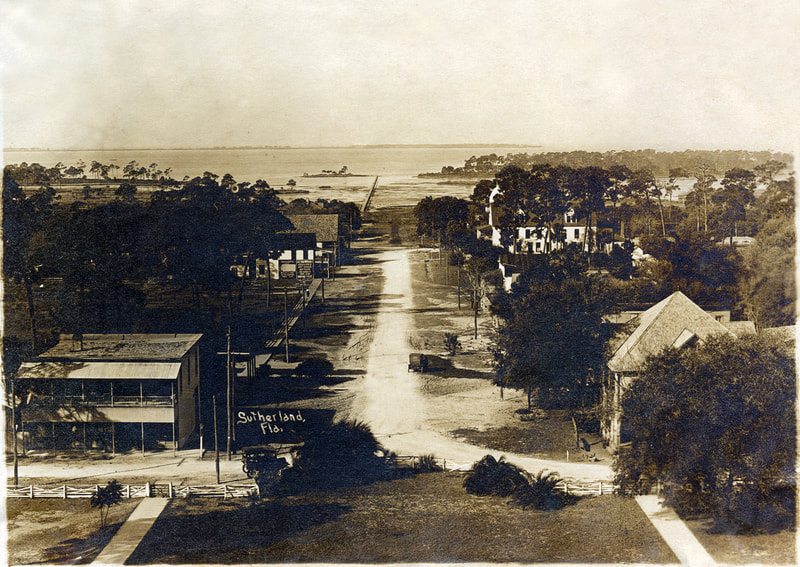
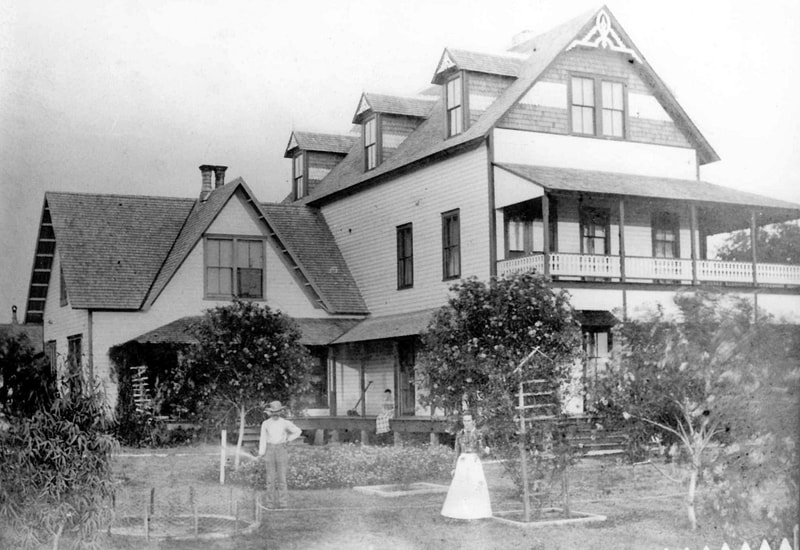
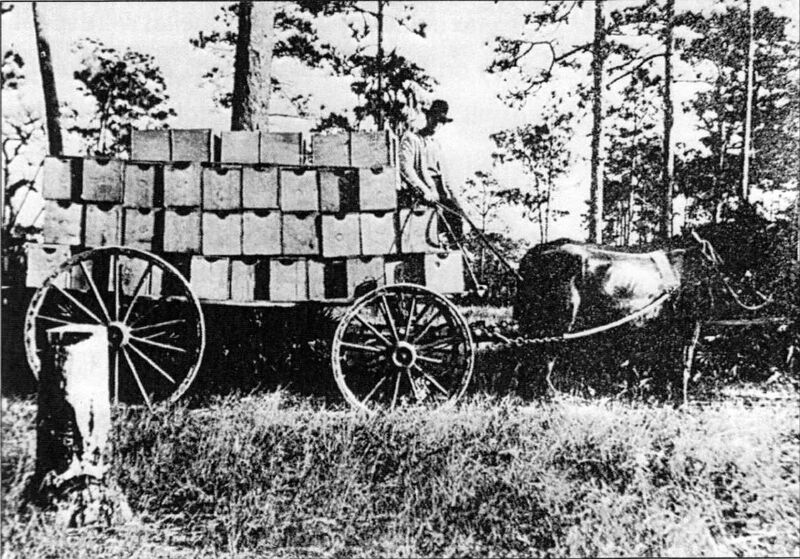
Pinellas County's Old Palm Harbor design manual says the Bay St. Joseph Post Office began in 1878, became Sutherland in 1888, and became Palm Harbor in 1925. The early community grew around stores, rail, groves, schools, hotels, and coastal access.
Lloyd and Annie Ferrentino developed Tarpon Woods Country Club in Palm Harbor and helped shape a community that became part of the East Lake and Palm Harbor identity. Their work made Tarpon Woods a real neighborhood place, not just a parcel on a map.
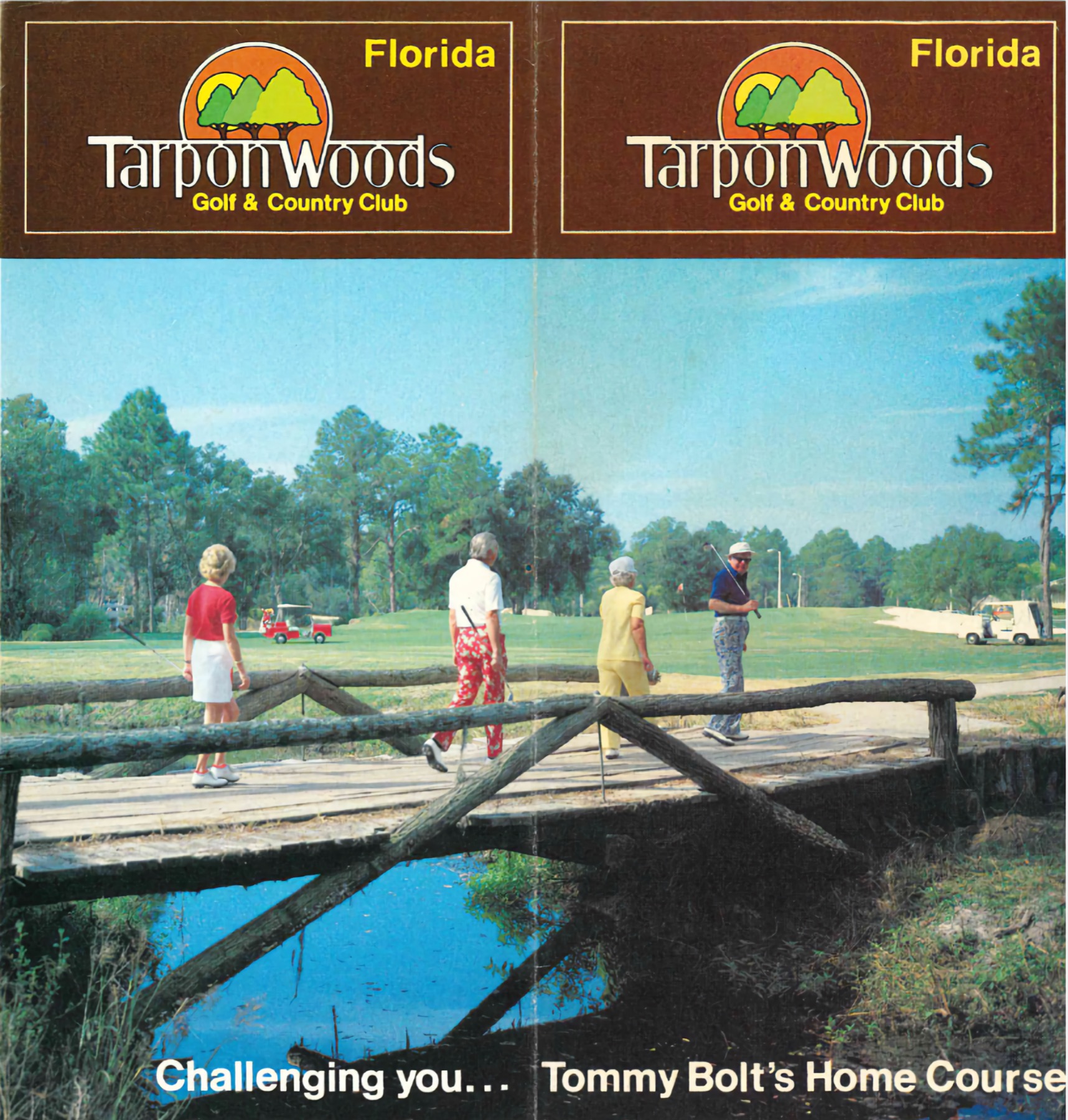
A 1977 Sports Illustrated feature described Tommy Bolt as being at his course in Tarpon Woods, Florida. A locally saved Tarpon Woods Golf and Country Club brochure image also presents the course as Tommy Bolt's home course, underscoring how seriously the club once presented its golf pedigree.
Homes, associations, roads, ponds, and course edges grew around the golf course. This is the period when many residents came to know Tarpon Woods as neighborhood open space rather than simply a recreational business.
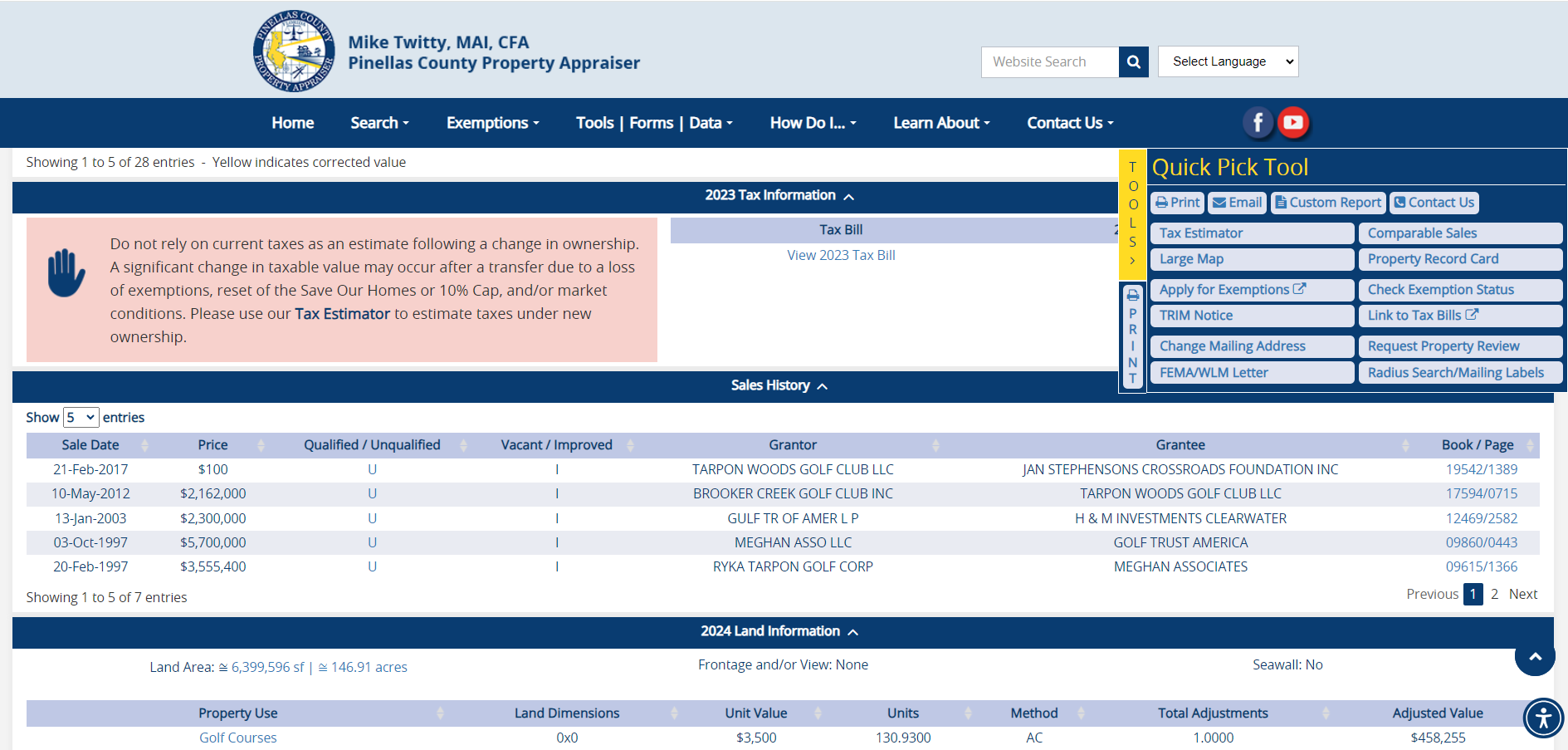
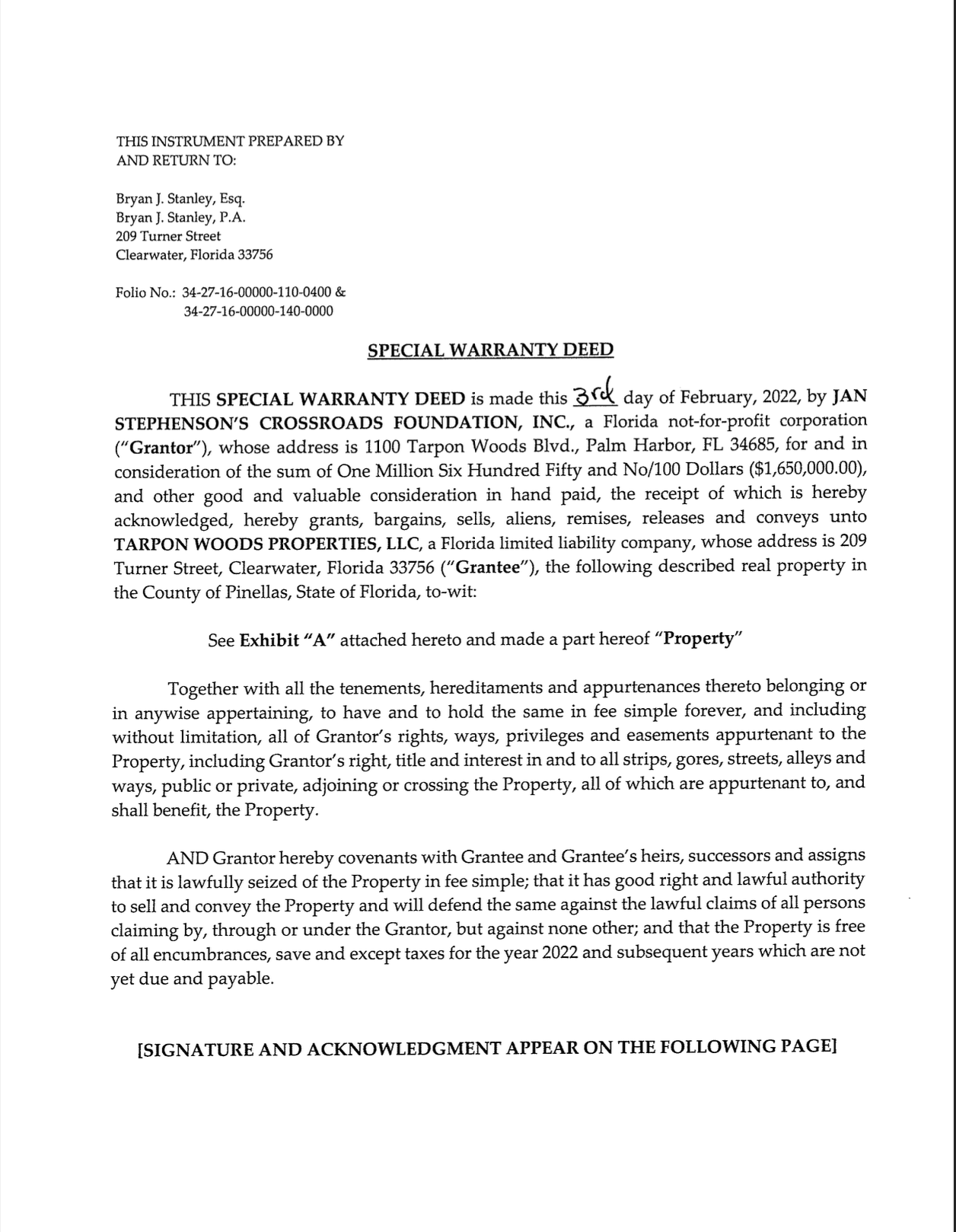
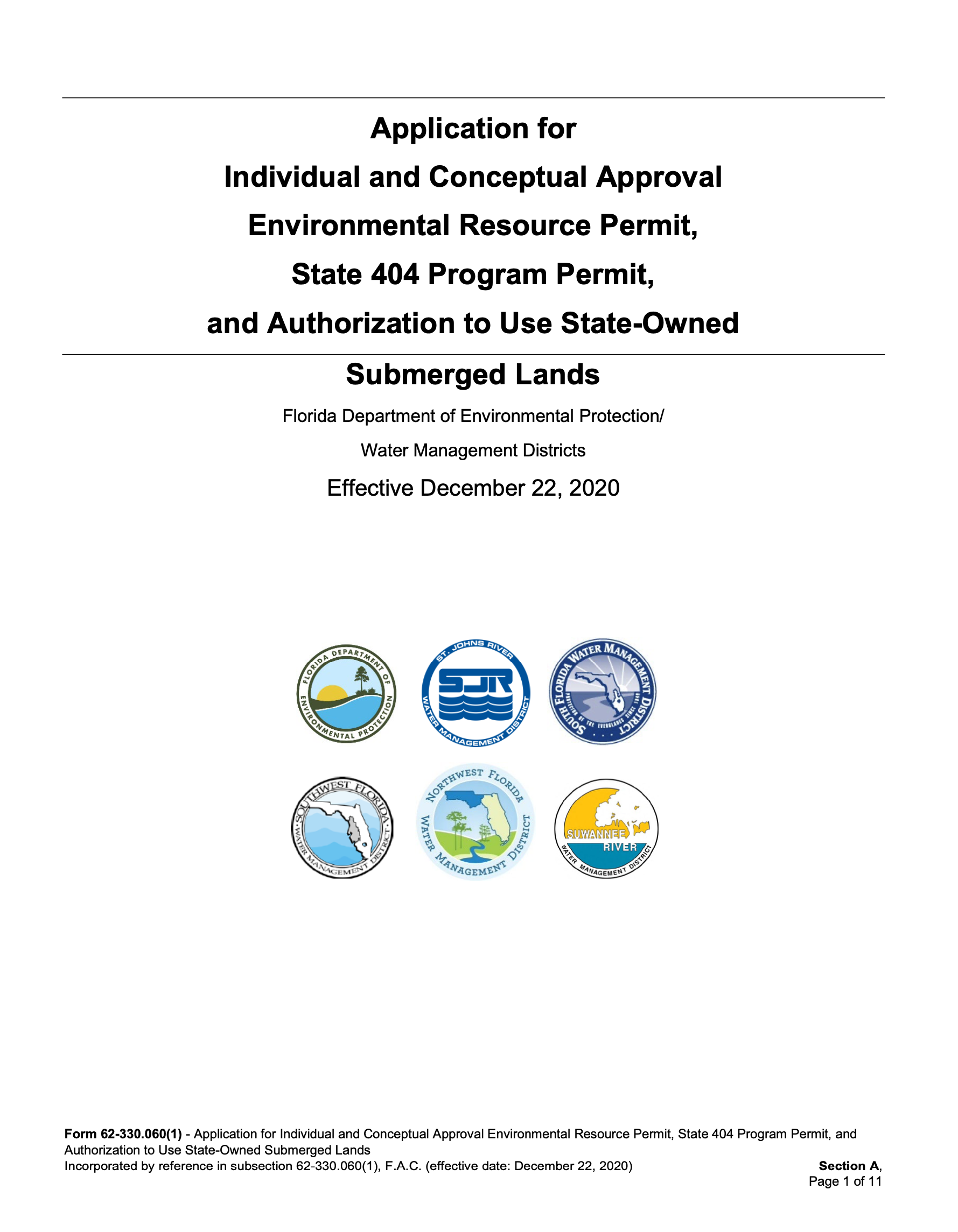
Local evidence files now published on this website include prior clubhouse redevelopment concept material, county meeting notes, ownership and deed context, SWFWMD application documents, expert letters, and resident responses.
The current public fight centers on whether this long-standing green space will remain a golf course and habitat-connected neighborhood landmark, or be converted through permitting, mitigation-bank use, closure, sale, rezoning, or redevelopment pressure.
These images combine public history sources with local public-record evidence already collected for Save Tarpon Woods.
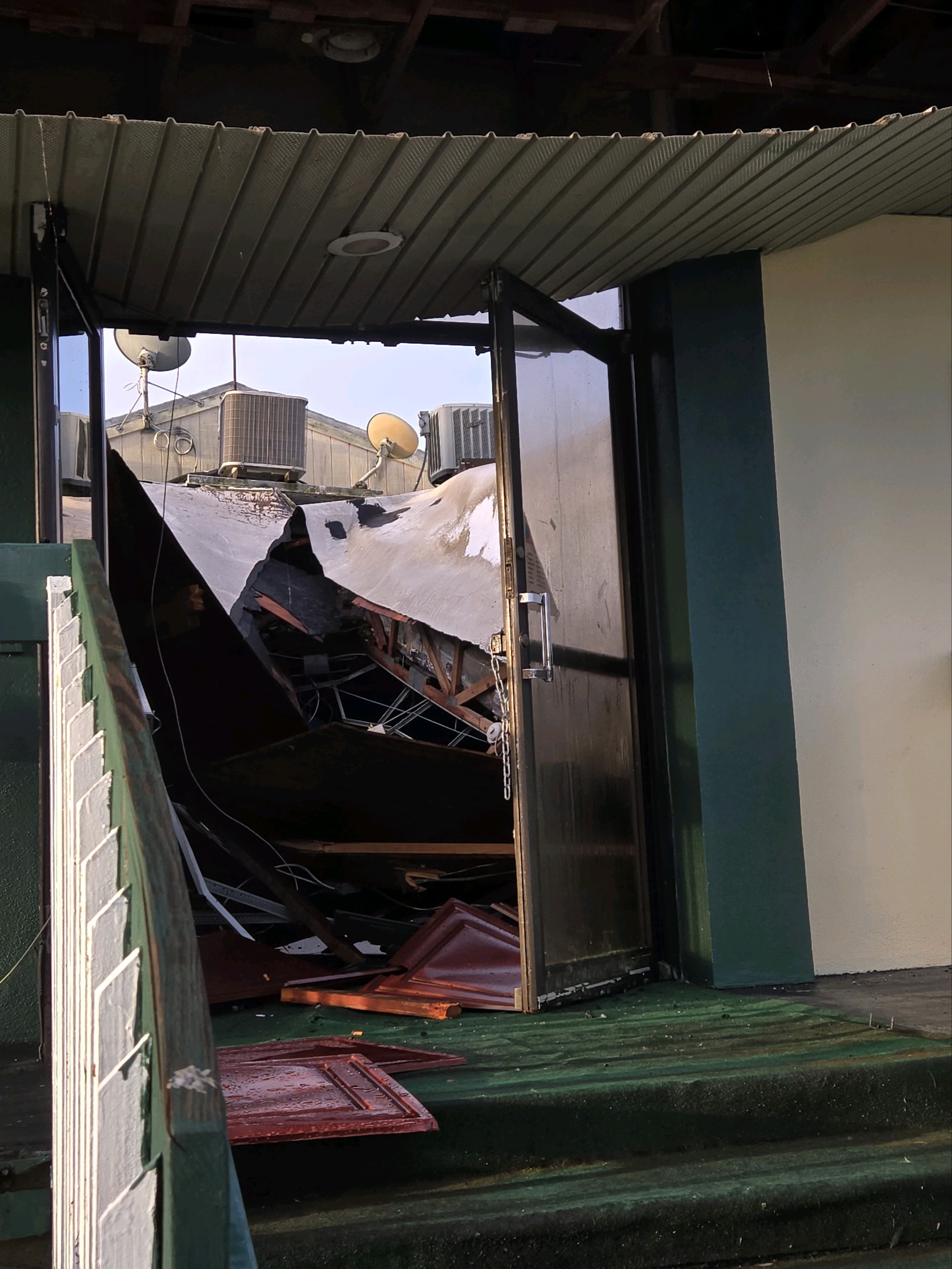
Tarpon Woods was not an accidental leftover parcel. It was created as a country club and golf course community by people with a deep, generous, and lasting footprint in Pinellas County.
Lloyd Ferrentino is described in the Tampa Bay Times as a prominent local developer and general contractor connected with Bardmoor Country Club, Annbrook in Seminole, and Tarpon Woods Country Club in Palm Harbor. He is remembered as a World War II Navy veteran, pilot, horseman, civic supporter, and founding member of the Gold Shield Foundation, with community involvement that included the YMCA, Pinellas and Hillsborough Boys and Girls Clubs, and Children's Home Society.
Ann Ferrentino was central to that family legacy. Her name appears in Tarpon Woods business and community records, and her continued involvement with Mary Lee's House reflects the same spirit of service, care, and local commitment that has marked the Ferrentino family's work for decades. Ann was also a founding member of the Gold Shield Foundation and currently serves as a director for the foundation.
Ann and Lloyd made countless contributions to the community. They helped build places where families lived, gathered, played, volunteered, and belonged. For residents, that matters: the current preservation effort asks decision-makers to respect the long-standing golf, open-space, and neighborhood identity that helped define Tarpon Woods.
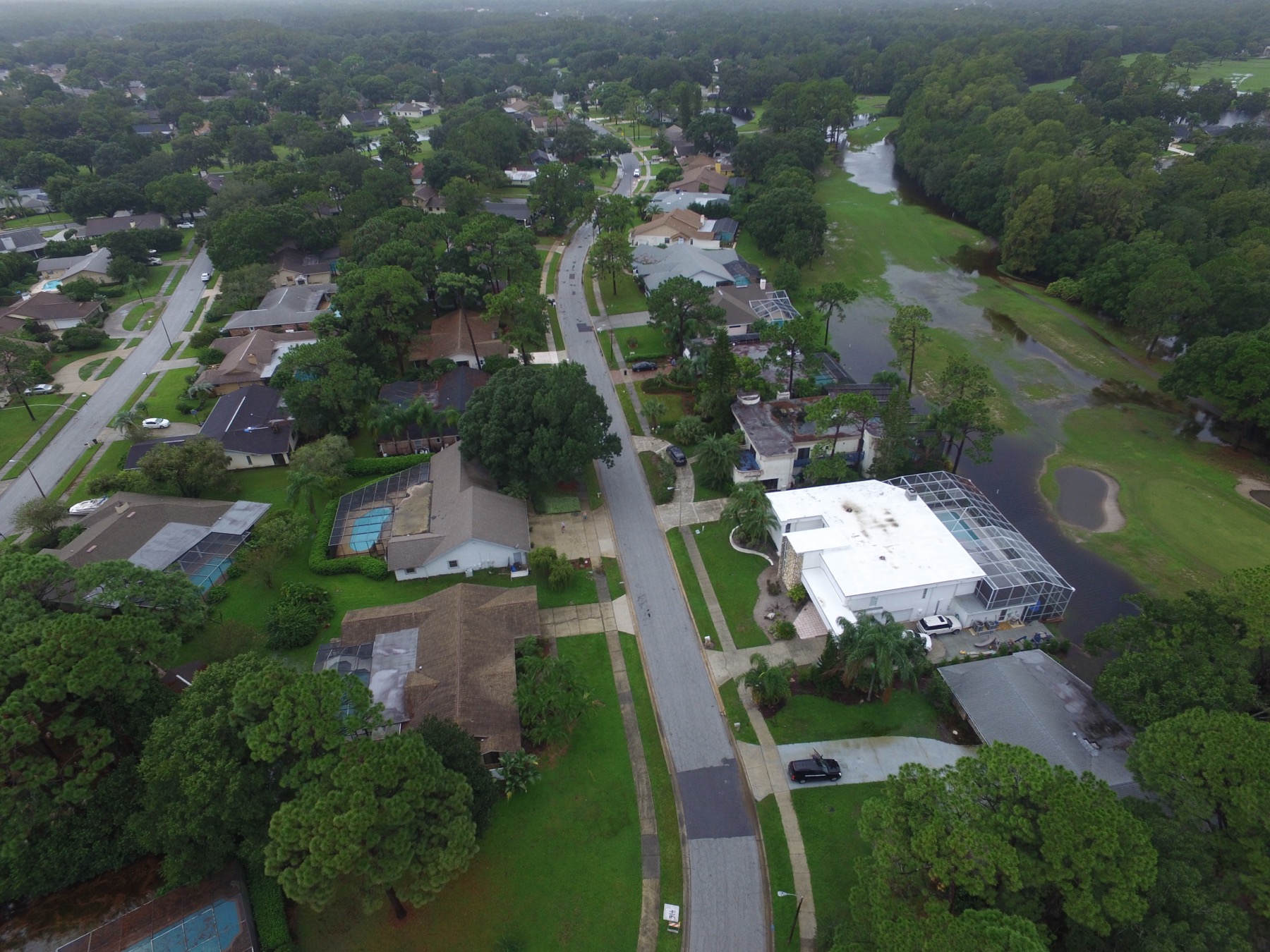
The older golf identity and the present preservation fight are connected. Tarpon Woods became a place where homes, trees, ponds, fairways, and neighborhood memory formed one landscape. The drone photos make the current issue visible: removing or converting the course would affect more than recreation. It would alter the green framework around surrounding homes and habitat.
This is why residents are documenting history alongside permits, wildlife, drainage, and public records. A serious land-use fight needs the whole story.
Residents are invited to send photos, clippings, course materials, family memories, and source links through the submission form.
Indigenous Tampa Bay and Safety Harbor Period context.
OpenBay St. Joseph, Sutherland, Palm Harbor, and early settlement history.
Open PDFHistorical Palm Harbor and Sutherland photographs and local history context.
OpenCommunity, development, civic, and family legacy background.
OpenAnn and Lloyd Ferrentino officer and director context connected to Tarpon Woods addresses.
OpenA 1977 golf-history reference to Tommy Bolt and his course in Tarpon Woods, Florida.
OpenTommy Bolt brochure image and drone views from the Save Tarpon Woods local archive.
Send more photos